Whether you operate in remote locations, onboard vessels, or on industrial sites, our flexible and responsive approach ensures equipment is tested to the highest standards — where and when you need it.
The Challenge
Reducing waste water volumes and lowering disposal costs while operating safely within industry standard guidelines.
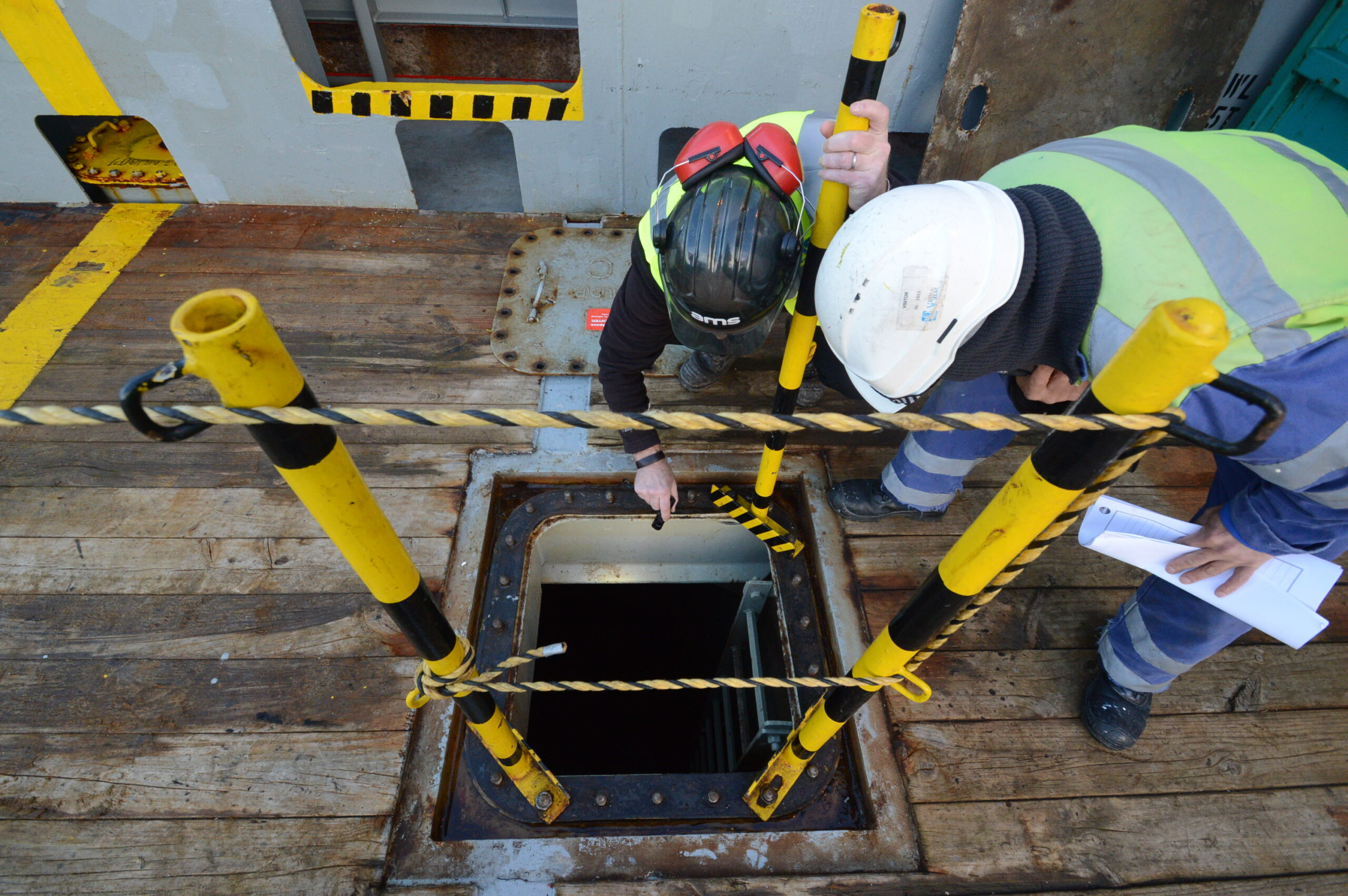
The traditional method of discharging the chemical Methanol remaining on board an offshore asset would be to fill the Special Product tank to capacity, regardless of the volume of Methanol in the tank. This leads to excessive waste and higher disposal costs once discharged and received onshore.
The Response
Methanol is alcohol based and miscible in water — in other words, it can be mixed into water without separating from it — in a 4:1 ratio. Therefore, mixing three parts water and one part Methanol would create Methanol washings with an LEL (Lower Explosive Limit) equivalent to that of water.
Converting this principle to practical use, this process involves calculating the volume of product remaining on board and filling the tank accordingly, to a minimum of 10:1 water/Methanol dilution.
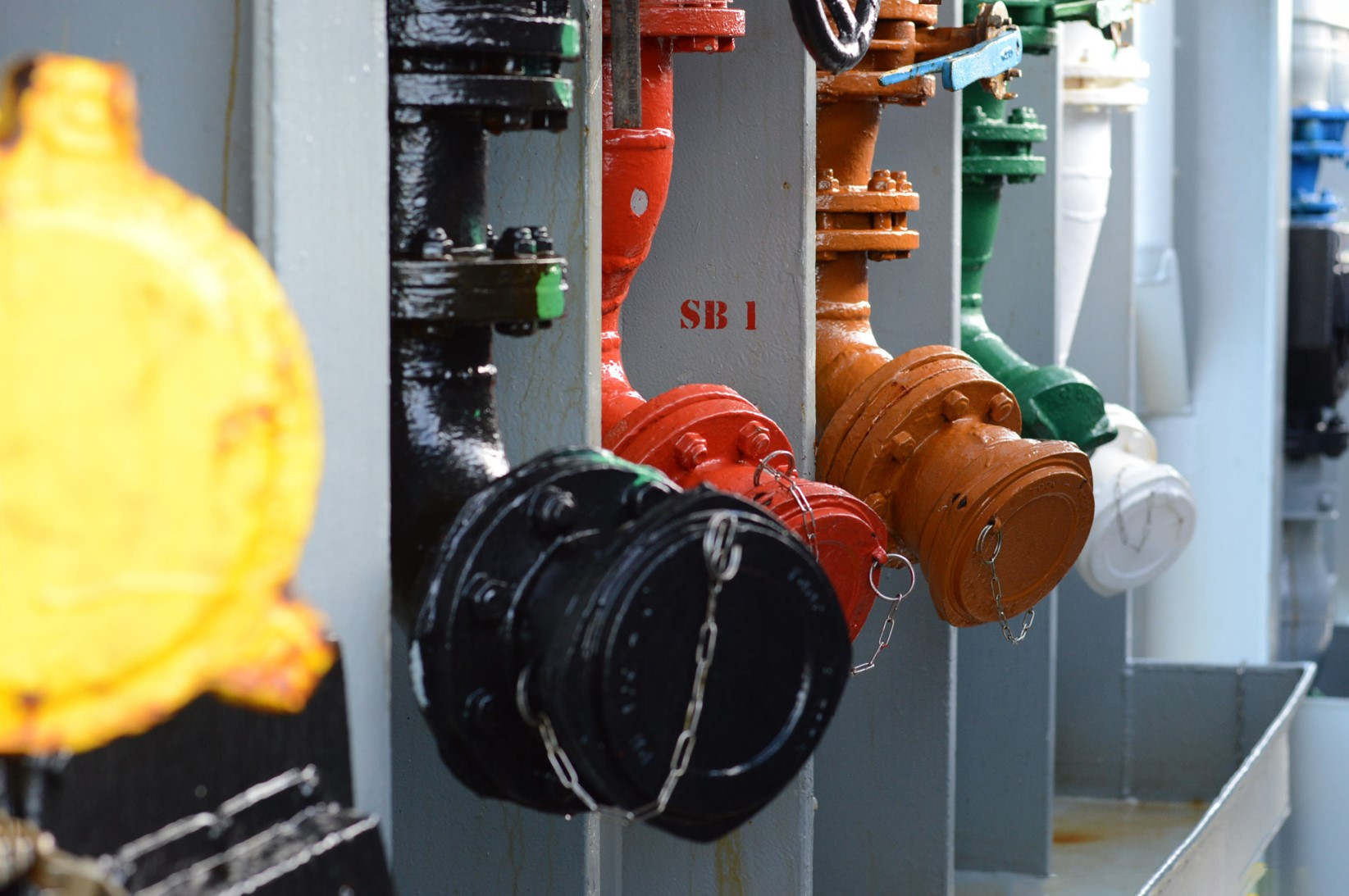
The content is discharged to the shore tank and the flash point checked; if it’s within working limits, the remaining Methanol washings are discharged. There’s scope to dilute further if necessary to enable this to happen.
The Result
Reducing waste water volumes and lowering disposal costs while operating safely within industry standard guidelines.
The traditional method of discharging the chemical Methanol remaining on board an offshore asset would be to fill the Special Product tank to capacity, regardless of the volume of Methanol in the tank.
This leads to excessive waste and higher disposal costs once discharged and received onshore.
Testimony
Ready to talk?
Featured Case Studies
Our case studies showcase the work we deliver across safety and marine services. Each project highlights how we apply our expertise, partnerships, and values to solve complex challenges.
View Case Studies